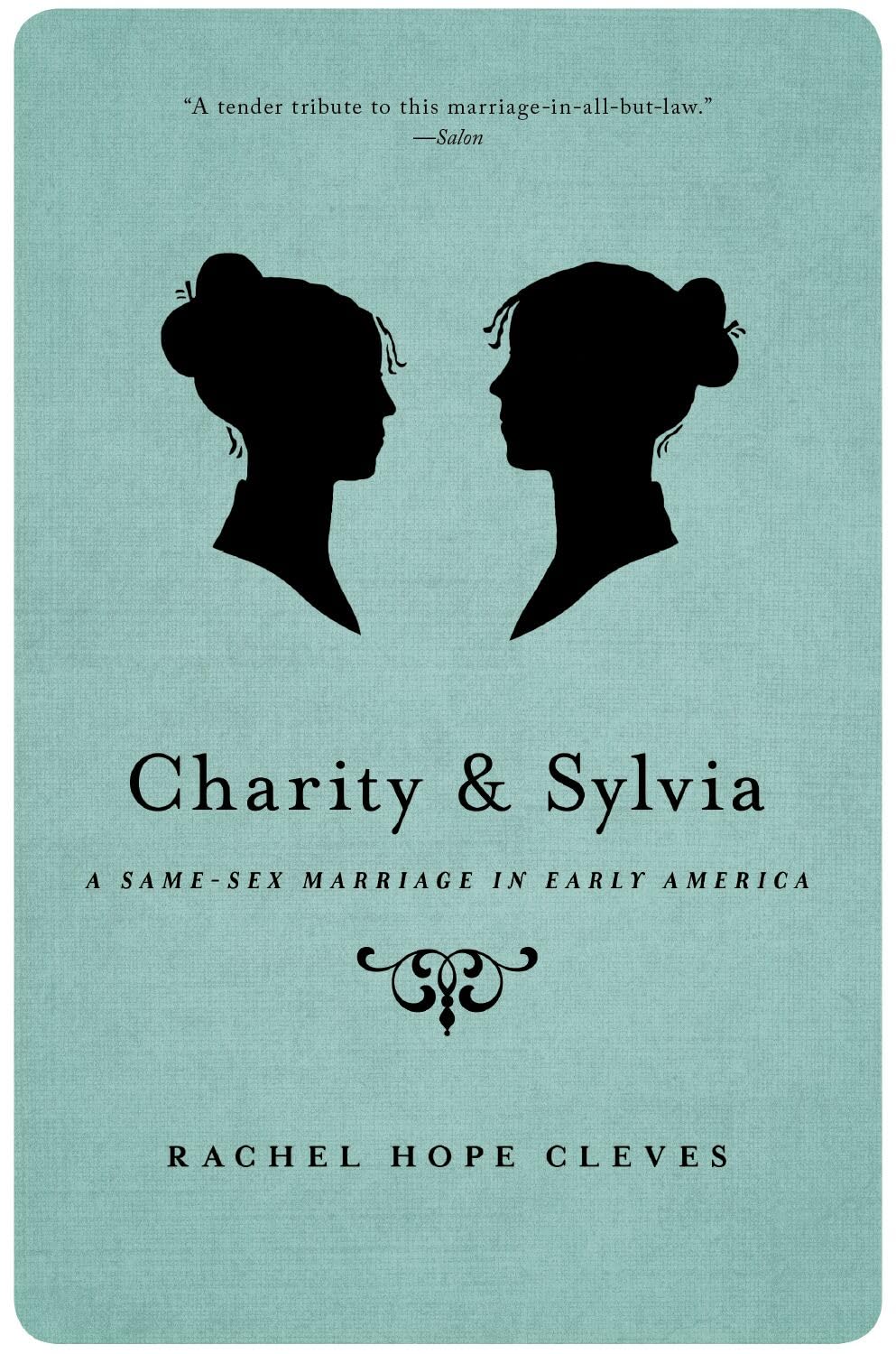
There’s many times throughout entertainment where works with similar topics were released around the same time. But, this isn’t one of those cases. In 2014, Professor Rachel Hope Cleves released Charity & Sylvia. The book was the researched history of two women who lived in a same-sex marriage during the nineteenth century. Cleves gathered the women history of the two using diaries, letters, poetry and more, traveling around the country for details and facts to put together her book.
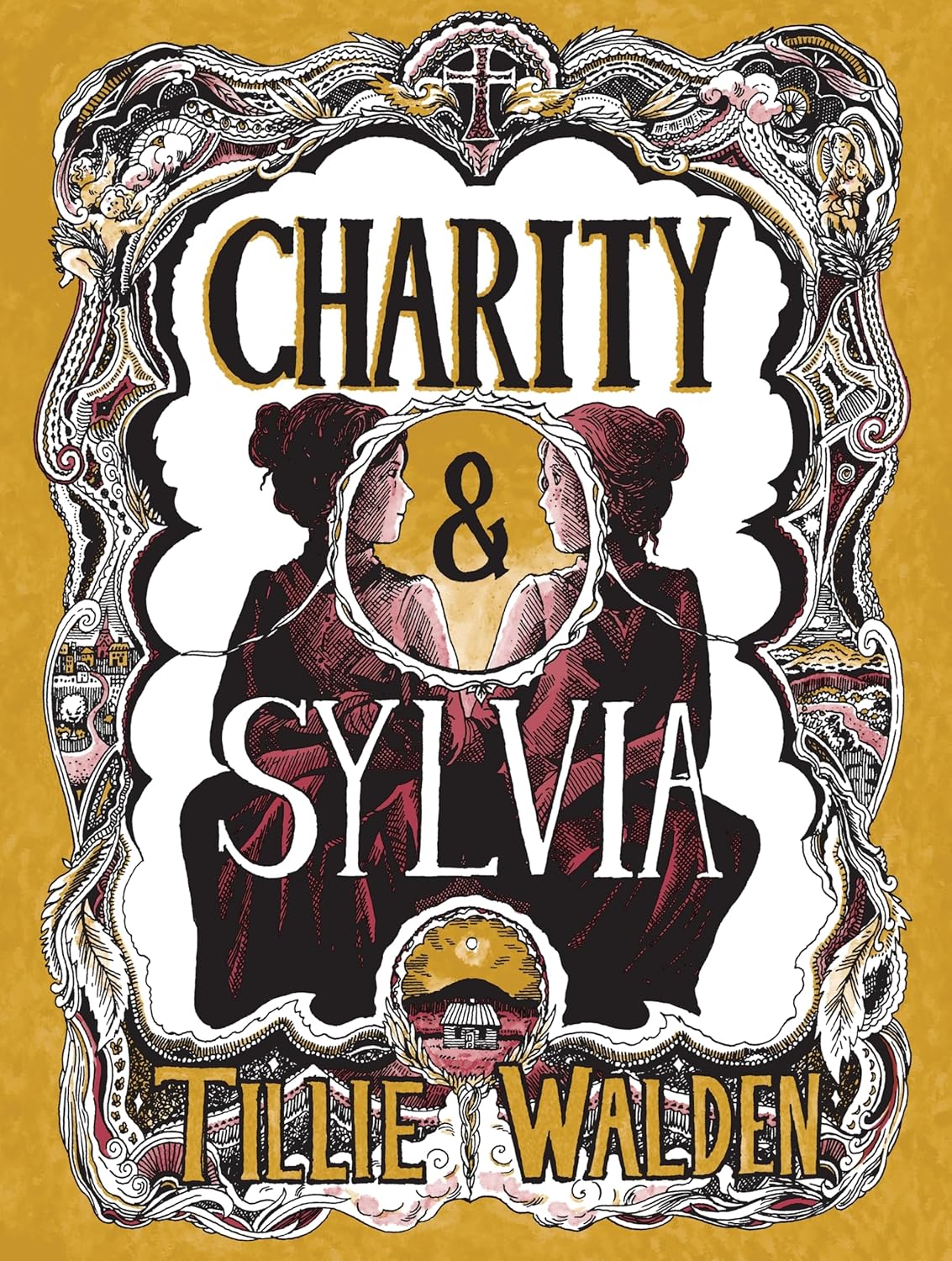
In June 2026, Tillie Walden released Charity & Sylvia, a graphic novel published by Drawn & Quarterly, also about the two women.
Cleves has taken to social media with accusations Walden took heavily from her book without crediting her. Cleves writes:

To all the readers out there:
My deep love for Charity Bryant and Sylvia Drake, the subjects of my biographic Charity and Sylvia, has kept me silent, up to this point, about Tillie Walden’s new graphic novel by the same title. Charity and Sylvia’s story has been so deeply meaningful to so many people-their story has, without exaggeration, saved lives-that I’ve tried to be happy that Walden’s book is making their story more widely known, even if she chose to take my title and cover design as well as my narrative and my research with only a single sentence of acknowledgement at the end of her book in her notes section. Walden’s illustrations and storytelling are wonderful, as I told her when she reached out to me during the writing process. It would take nothing away from her hard work to be honest about how it is built on my hard work. But in Walden’s publicity tour, she has repeatedly made claims to have based her book on her extensive research in the archive without acknowledging that her book is, in fact, based on my book. This false presentation demands response not only for my sake, but for the sake of all the hard-working historians out there whose work has similarly been take without credit. No, Walden has not “uncovered a chapter of queer history” in the archives, as her media interviews have claimed. She has adapted my book without credit or compensation, and claimed my research for her own. I don’t doubt that Walden spent time looking at letters at the Henry Sheldon Museum, but the story Walden tells is not to be found there. It is a story that I pieced together from years of visits to at least twenty different archives and locations across the United States, not only in Vermont but in Massachusetts, New York, Illinois, and Washington State, as well. This is not just a question of facts but of story: the story of how Charity and Sylvia built a life together based in tailoring, struggled with their faith, and maintained relationships with their family is one that I constructed from the countless fragments that I gather through painstaking research. Many of the details of that story which appeared in my book, and re-appear in Walden’s, do not come from the Henry Sheldon Museum, where she claims to have done her research. They come from the countless additional archives I visited. For just a few examples: the story about Charity’s siblings’ deaths was built on my tracking down a forgotten graveyard enclosed in a chain link fence behind a Burger King in Brockton, Massachusetts. The story about Charity learning to sew from her spinster aunt Charity Howard comes from a textile fragment that I tracked down in the Henry Art Gallery in Seattle, Washington. The story about Charity buying a ring for Sylvia comes from a letter I found in an archive in Long Island, New York. And the story of how Charity and Sylvia rented their property in Vermont comes from town records that were at the village hall in Weybridge, Vermont. I could go on. It saddens me that Walden’s media blitz will make my book harder for readers to find, not easier, and diminish its continuing power to have the enormously positive impact it has had to this point, which is why I feel the need to correct the record.
Sincerely, Rachel Hope Cleves
In an article published by The Middlebury Campus, it claims that Walden’s book differs from Cleves’ because it exclusively relies on the Sheldon Museum’s archives to tell the story, a claim which Cleves post above pokes holes in.

Walden is even seen on video making a similar claim.
From everything Cleves claims, it sounds like she should be given far more credit than a passing mention.
Neither Walden or Drawn & Quarterly have released a statement about the issue. We will follow up and update this article if any are made or the issue is resolved.
Discover more from Graphic Policy
Subscribe to get the latest posts sent to your email.
Source: Graphic Policy