



Ravenloft: The Horrors Within features an update to one of the more sneakily powerful Rogue subclasses, the Phantom.
The Phantom Rogue sits at an odd place in D&D. First introduced in 5th Edition, it was a ghostly Rogue empowered by wails from beyond the grave. And at first it was kind of a sleeper, because it was focused on giving the Rogue tools for affecting multiple creatures at once. But the first impression might be “not as spiky, damage-wise” and so onto the pile of one-day character concepts it goes.
And then little by little folks started to figure out that the Phantom Rogue had a lot of potential. Because it turns out, when you can stab the big guy and also zap their minions, it’s a good time for everyone. The math starts mathing, as the saying goes. Smash cut to now, when the Phantom Rogue gets an update in Ravenloft: The Horrors Within. And it still feels good in the new edition, but it also highlights the highs and lows of the Rogue in 5.5E.

The Phantom Rogue – A Subclass In Two Parts
I think the thing that this subclass points out, moreso than the other Rogue subclasses out there, is just how spread out the Rogue’s subclass features are. Rogues, as a whole, get features at level 3, and then have to wait six levels before they get another thing at level 9. Every other class is waiting three or four levels (at most) between features. Cleric subclasses might seem like they’re a little sparse, because they get features at level 3, 6, and then not again until 17; but they have bonus spells that carry them through that gap.
It’s not necessarily a great cosmic imbalance in the rules of the game, Rogues are certainly not unplayable. It just means that a good Rogue subclass has to put a lot in those first features you get at level 3. Otherwise, it feels like your character doesn’t really come into their own until you hit 9th level. Or later, even. I think that’s a big part of why Arcane Trickster continues to be one of the most popular Rogue subclasses. With the addition of spells, they get sneaky access to more features spread out across other levels, when they learn new spells and get access to higher level spell slots.

All that to say, a good Rogue subclass should feel like it has a solid identity at level 3. And the Phantom Rogue does, but you have to look at it a little differently than you might a typical character. It’s like a subclass that comes online in two parts.
The first part, predictably, is at level 3. This is when you get the core feature that has to carry you for six whole levels, while still feeling like you’re cool and progressing. Luckily, the main deal of this subclass is built to level up along with you. At level 3, you get Wails from the Grave.
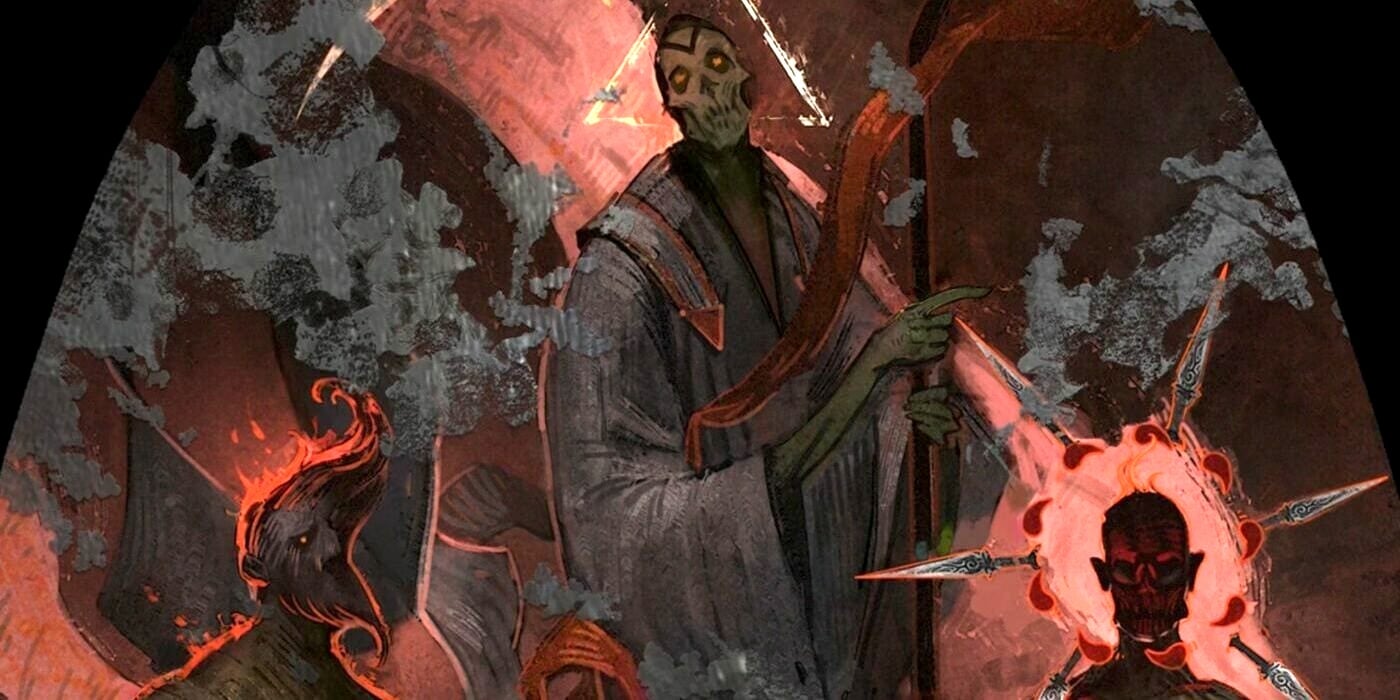
It’s a pretty simple mechanic: whenever you deal Sneak Attack damage (on your turn, so no off-turn extras), you can deal half your sneak attack dice (round up) to another creature within 30 feet of your first target. You get a limited number of extra damage blasts per long rest, but it’s based off of Dexterity, so it’ll cap out at 5 pretty quickly.
And since it scales with your Sneak Attack, you get to level up a little more every four levels, when your Sneak Attack dice increase to an odd number. Also at level 3, you get Whispers of the Dead, which lets you gain one proficiency (skill or tool) in whatever you need after a Short or Long Rest.
The Second Half Phantom

And then, when you hit level 9, the rest of the subclass feels like it finally starts to show up. You get more of a ghostly identity. In fact, the way this subclass is built, it’s like you activate a whole new ability tree/mechanic, because now instead of just doing a little etra sneak attack damage, you also can claim a part of a creature’s soul thanks to Tokens of the Departed. This feature gives you the ability to create Soul Trinkets.

Soul trinkets are a currency you can spend to do all sorts of things, and that interact with the second half of the subclass. Most of the higher level features revolve around your Tokens of the Departed. Even at level 9, you can already do a number of cool things:
- You can spend a Soul Trinket to deal a Wail from the Grave without spending one of your limited uses of that feature
- You can take a Magic Action to spend a Soul Trinket to cast the Augury spell with no components, and you can even make the spirit of the creature from whom you created the Soul Trinket the target of your spell
- While you have at least one unspent Soul Trinket you gain advantage on Con saves and Death saves
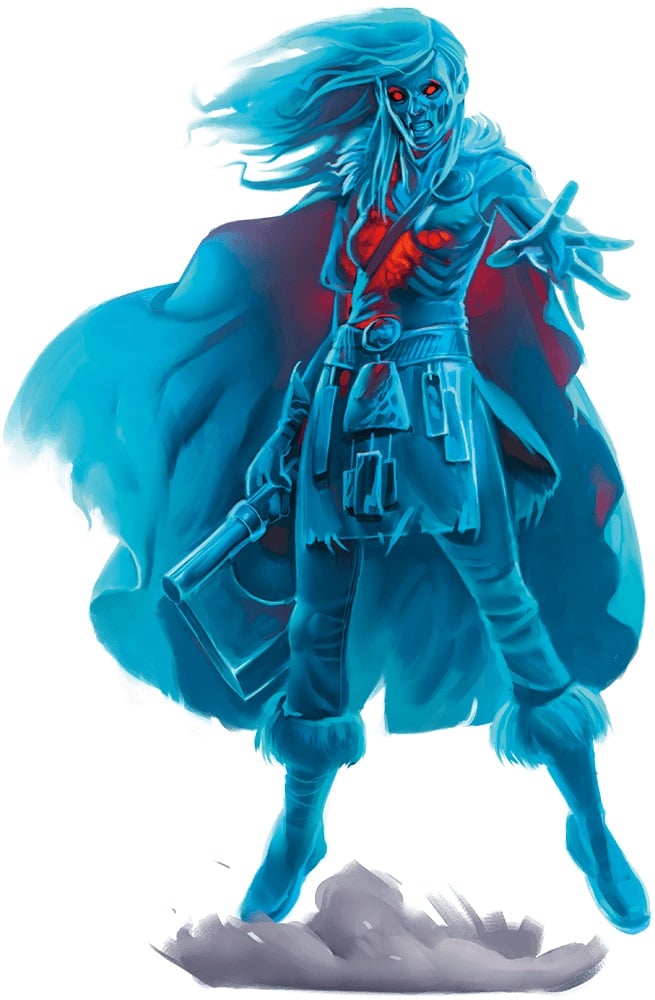
And that’s just one level 9 feature. You also gain Voice of the Dead which lets you cast Speak With Dead once per Short or Long Rest and you can target a Soul Trinket instead of a corpse. Not bad.
At higher levels, you get even more ghostly powers. When you hit level 13, you gain Ghost Walk, which lets you assume a spectral form, gaining a fly speed of 10 feet, and the effects of a Blur spell, and can even move through objects and creatures (though you take damage if you end your turn inside them). And then at level 17, Death’s Friend lets you deal your Wail from the Grave damage to your original target, as well as giving you a free Soul Trinket whenever you roll initiative and don’t have any.
All in all the Phantom Rogue is a solid subclass. It also illustrates what a good Rogue subclass needs to feel like you’re not just waiting around to be the character you were hoping to be!
Please note that BoLS may earn a commission when you purchase through links on our site.
Don’t Miss:


Source: Bell of Lost Souls

