


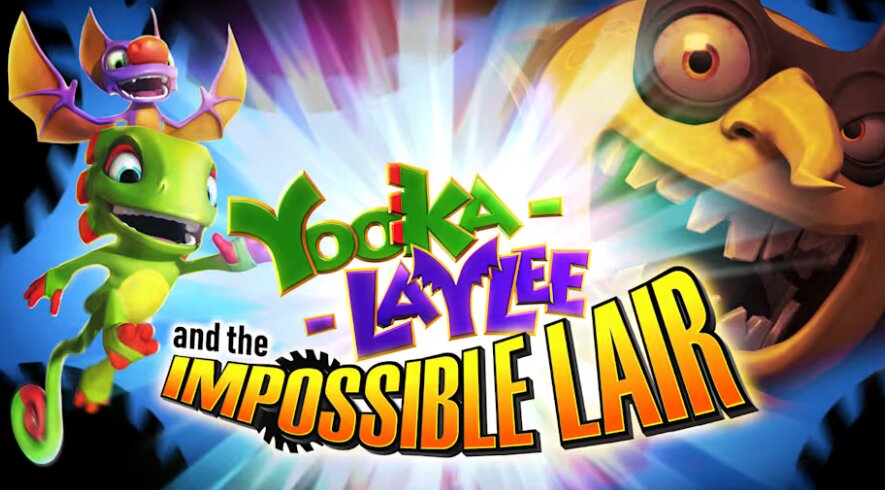
Yooka-Laylee and the Impossible Lair on Nintendo Switch is a charming 2D platformer that successfully captures parts of the classic Rare-era formula while delivering a fun adventure with plenty of content. Played entirely on Nintendo Switch 2 through backward compatibility, the experience offers enjoyable platforming, creative level design, memorable music and a strong sense of nostalgia for fans of classic collectible-driven games. While the game does not fully reach the personality and polish of the titles that inspired it, especially when compared with Nintendo and Rare’s most memorable platformers, it remains an enjoyable journey with enough variety and replay value to keep players engaged.
Coming into Yooka-Laylee and the Impossible Lair without playing the original Yooka-Laylee, I was drawn to this entry because of its stronger reception and its shift toward a 2D platforming structure. The decision works well because the core gameplay is genuinely fun, taking inspiration from the style of modern Donkey Kong Country games with mechanics centered around rolling, swinging, climbing and precise platforming. Yooka and Laylee make for a solid duo, with different abilities that complement each other and create a fun foundation for exploration and movement.
The level design is one of the game’s strongest elements. The adventure offers a large number of stages, and completing the main journey with around 15 hours of playtime feels like a satisfying length for a 2D platformer. Players who enjoy collecting everything can spend significantly more time searching for hidden collectibles and completing optional challenges. The game’s approach to replayability is especially creative, with many stages featuring alternate versions that change the environments through different themes, terrain changes or other modifications rather than simply repeating the same level with minor adjustments. Even traditionally frustrating areas like water levels remain enjoyable and avoid many of the common problems found in platforming games.
The soundtrack is another standout feature, helping Yooka-Laylee and the Impossible Lair capture the personality of classic Rare games. The music from David Wise and Grant Kirkhope carries a familiar charm for fans of the Nintendo 64 era, while the dialogue style with expressive vocal sounds also feels like a clear callback to games such as Banjo-Kazooie. The overworld hub provides a large space to explore, uncover secrets and discover additional content, although the overall design does not always feel as memorable or magical as the games that inspired it.
That comparison is ultimately where some of Yooka-Laylee and the Impossible Lair’s limitations become noticeable. The game successfully recreates many elements associated with classic Rare platformers, but its characters, environments and overall presentation often feel more generic by comparison. Yooka and Laylee are enjoyable protagonists with fun abilities, but I did not develop the same attachment to them that I have with some of gaming’s most iconic platforming characters. The game creates a familiar feeling, but it does not always create the same level of personality or charm that made its inspirations so memorable.
The adventure also has some pacing and design concerns. The hub world can feel messy and less intuitive to navigate, while enemy variety throughout the game can become repetitive over time. The game provides plenty of content, but some elements begin to feel stretched as the adventure continues. Loading times are another noticeable limitation, especially when starting the game, and they remained surprisingly long even while playing through backward compatibility on Nintendo Switch 2.
The biggest challenge comes from the Impossible Lair itself. The main adventure offers a fair difficulty curve, and collecting the game’s bee collectibles provides additional preparation for the final challenge. However, even after collecting 39 out of 48 bees and equipping the available protection, the Impossible Lair felt like a major difficulty spike rather than a satisfying conclusion. The long single-stage structure, repetitive restarts after failure and moments involving unpredictable enemy movement or unclear interactions made the experience more frustrating than rewarding. For players who enjoy extreme platforming challenges, this may become the game’s defining feature, but it did not provide the satisfying finale I was hoping for after completing most of the main adventure.
Performance on Nintendo Switch is solid, and playing through Nintendo Switch 2 provided a smooth experience throughout. The game’s colorful presentation fits well on the handheld screen, although the visual style may feel less impressive compared with newer platformers. The hardware compatibility benefits are appreciated, but the game’s performance is ultimately not demanding enough for major technical improvements to be expected.
Yooka-Laylee and the Impossible Lair is a good example of a game that understands the appeal of classic platformers while struggling to fully recreate their magic. Its enjoyable gameplay, strong soundtrack, creative level variations and large amount of content make it a worthwhile experience for fans of 2D platformers, especially those who miss the collectible-focused design of older games. However, its generic presentation, repetitive elements and frustrating final challenge prevent it from reaching the same legendary status as the games that inspired it.
Final Score: 7.5 out of 10
Yooka-Laylee and the Impossible Lair delivers enjoyable platforming, strong level variety, excellent music, creative replay options and a satisfying amount of content. Its weaker character attachment, less memorable world design, long loading times and disconnected difficulty spike in the Impossible Lair kept the overall experience from reaching the highest level, but it remains a solid recommendation for fans of classic 2D platformers.
Pokémon Lens
Yooka-Laylee and the Impossible Lair connects to Pokémon through its emphasis on exploration, collectibles and gradual progression. Similar to how Pokémon encourages players to explore different areas, collect creatures and build a stronger team through discovery, this game rewards curiosity through hidden collectibles, optional challenges and expanded abilities. The relationship between Yooka and Laylee also reflects Pokémon’s focus on complementary partners, where different abilities and strengths shape how players approach obstacles. Both games highlight the value of discovery-driven progression, where exploring beyond the main path creates a deeper connection with the world.
Source:Pokémon

