


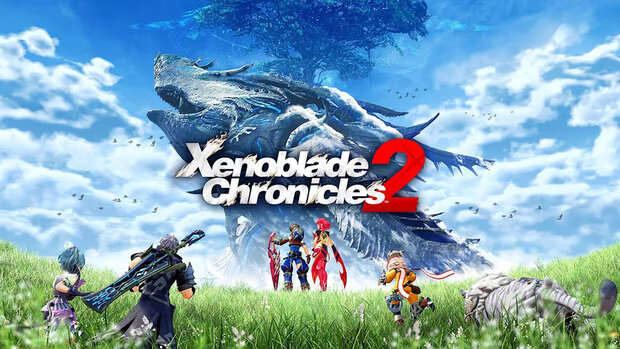
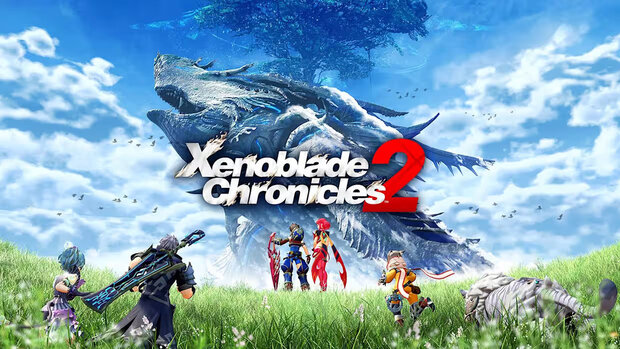
Xenoblade Chronicles 2 follows Rex, a young salvager pulled into a world-spanning conflict centered around Pyra, a powerful Blade tied to ancient secrets, political factions and competing ideologies. The story quickly expands from a focused journey into a dense narrative with multiple characters, systems and lore threads competing for attention.
The game’s biggest strength is its scale. The world is enormous, with layered environments and enough content to push playtime beyond 100 hours even with minimal side quest engagement. Locations such as Torigoth stand out with strong atmosphere, supported by a dynamic day and night cycle and a memorable soundtrack. Music is one of the game’s highlights, consistently enhancing exploration and combat with strong identity and energy.
Combat is real time and built around auto attacks, Arts cooldowns, Blade switching and party coordination. The system offers depth and flexibility, especially when using different Blade combinations and executing chain attacks. At its best, it rewards experimentation and understanding of layered mechanics. At its weakest, it can feel visually busy and rhythm driven in a way that reduces engagement during simpler encounters.
The Blade system adds major variety to party building. Each Blade changes combat roles and abilities, creating a wide range of possible setups. This encourages experimentation but also introduces unpredictability that can affect pacing and progression.
Side quests lean heavily into fetch style design with limited payoff. While optional, they contribute to a sense of excess content that does not always feel meaningful or rewarding. This design choice is especially noticeable in the Torna – The Golden Country DLC, which expands the lore around Addam but also reinforces how densely packed the overall narrative structure can feel.
The main story introduces a large cast and many concepts at a steady pace. While the ideas are interesting, the density can make it difficult to stay fully connected to the characters or follow every narrative thread. Rex serves as a straightforward lead, while Pyra and Mythra add personality and contrast, but emotional impact varies depending on player preference. Compared to Xenoblade Chronicles 1, which uses a more direct structure and clearer character motivations, this entry prioritizes complexity over clarity.
Voice acting is generally well matched to characters, but combat dialogue can overlap and repeat during active fights, occasionally adding to sensory overload.
Xenoblade Chronicles 2 is a content rich JRPG defined by ambition, scale and mechanical depth. It offers a large world to explore, a flexible combat system and strong music, while its structure and narrative density make it a more demanding experience to stay fully invested in.
7/10
Pokémon Lens
Xenoblade Chronicles 2 connects naturally to Pokémon through its focus on collection and team building. The Blade system mirrors the core Pokémon design philosophy of assembling a personalized roster of companions, each contributing different abilities and combat roles. Like Pokémon, progression is tied to building synergy between team members and understanding how different units interact in battle.
Where the comparison diverges is structure and accessibility. Pokémon games generally emphasize clear progression, readable systems and streamlined onboarding. Xenoblade Chronicles 2 instead leans into layered mechanics, randomized acquisition and complex combat interactions. This creates a deeper but more demanding version of the team-building experience that Pokémon players will recognize, especially those interested in optimization and experimentation.
Source:Pokémon

