Our fantasy heroes always have grand character arcs. But RPG characters? That’s a whole other story. These five tips might help!
D&D shares a lot with fantasy stories. Adventuring heroes. Powerful wizards. And dramatic events that shake the very foundations of the world. Even in the days when D&D was more wargame than anything else, the story kept people invested. We just love rolling dice and then figuring out what that means.
But, for all that, D&D is not a fantasy novel. Novels have the benefit of being written and rewritten and revised so that characters grow and change and go on journeys (you know, if they’re good). But in a D&D campaign, you never know what you’re going to get. And trying to plan an arc might be detrimental to actually playing and enjoying the game. Depending on what you’re doing, you might be so busy chasing the plot that you never have a chance to see your character grow. But if you want to have a character that can grow and change over the course of play, here are five tips that can help you on your way.
Strong Wants
One of the biggest drivers of character is a want. And a strong want is something that’s concrete and you can tell when you’ve got it. Wanting to be the best swordsman in the world is vague. Who even determines that? How do you know you’ve done it? But beating your annoyingly hot rival in a duel in front of people you respect? You know when you’ve done that.
Character wants can run the gamut from dramatic stuff like revenge or to fall in love, or to get revenge on the person you’re falling in love with. But they can also be silly, like a dwarf who wants to taste the meat of every creature in a dungeon. Whatever your character wants, that can inform who they are. And just by having that, and trying to get what you want, you’ll have a jumping-off point to see how your character changes as they try to get what they want.
Have a Flaw
Another good way to set your character on a trajectory to grow and change is to lean into the idea of a character flaw. Maybe you are the Wizard who would go to any lengths to try to learn a new spell. Or maybe you are the Paladin who desperately believes there’s good in everyone, even if they keep getting burned. Or the Bard who falls in love with the world at the drop of a hat. Any hat.
This not only gives you a way to express your character, but a good character who grows and changes often starts with a flaw. It’s something that the character needs or maybe wants to overcome. Again, you kinda have to sow the seeds for it yourself, and then let the course of the game water them.
Make It Hard To Change
Here’s the thing about D&D, you can change your character as easily as deciding you want to act differently. But that’s because your character isn’t a real person with years of psychological factors and real life to weigh down on them. Otherwise it would be easy for you to decide to drink more water or to not get a little $7 treat any time you pass within driving distance of a coffee shop.
But part of what makes a character arc feel satisfying is the journey of it. Watching the character struggle to learn a lesson can be funny, poignant, and everything in between. It’s up to you, the player, to make that change hard for yourself. Because you can’t guarantee that anyone else will. If your character has trust issues, you don’t have to abandon them the first time your friends don’t betray you. Think of how long it takes to convince yourself that you weren’t, in fact, being weird after the hangout. The difficulty is part of it.
Involve the Other Players
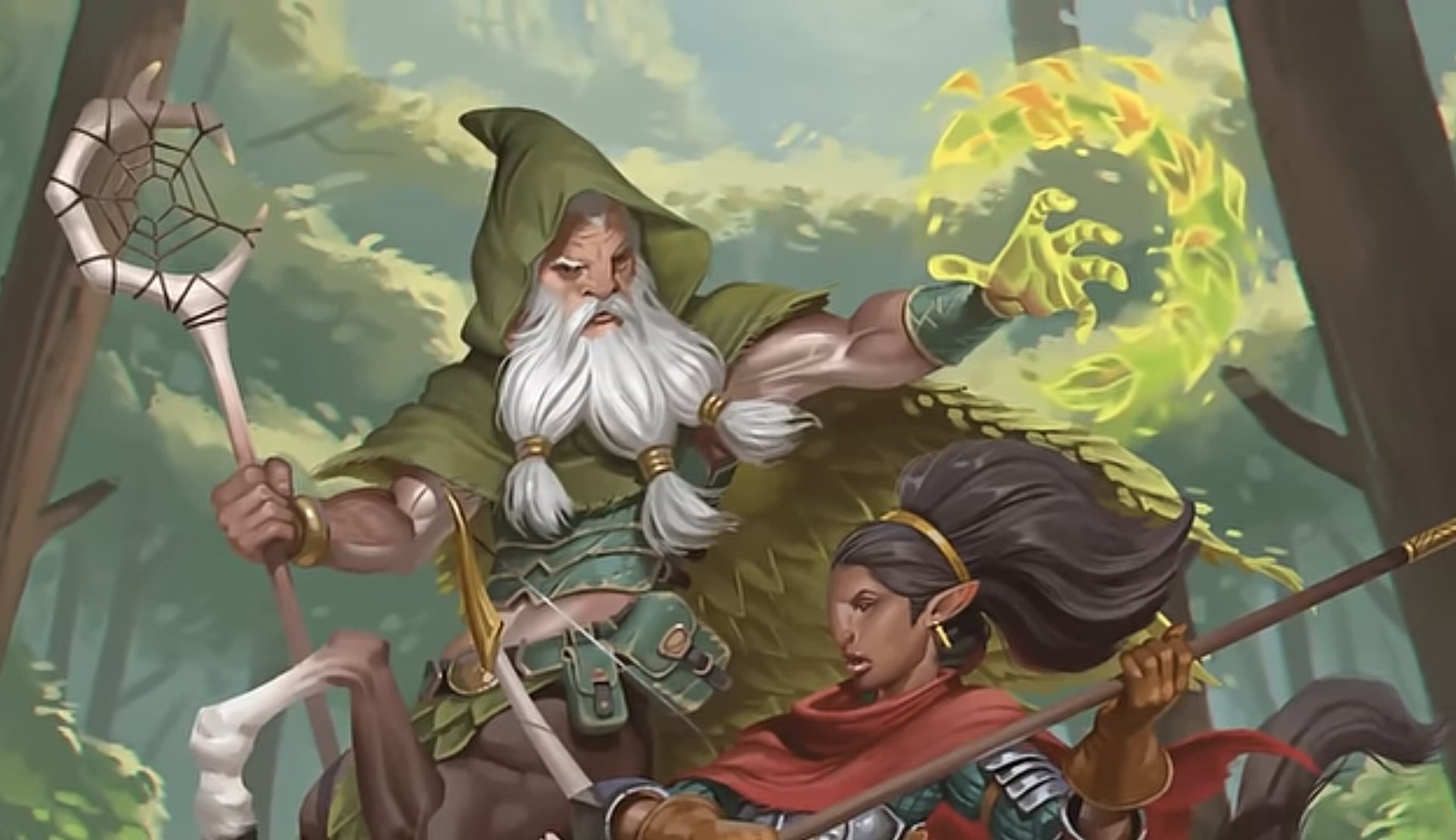
Likewise a character arc is all about growth and that often means other people. We are all social creatures. Having friends is great. Having friends as an adventurer is even better because they probably have swords. And just like you might see in your favorite actual plays, characters learn best by bouncing off of other people.
It’s why you have to go out into the world and meet new people if you want to change. Otherwise, the Sleeper never Awakens, and you’ll never get to be the Kwisatz Haderach that way. So involve the other players in some roleplay if that’s what they’re into. Say you’re a Paladin who has famously been a stick in the mud. You might become unstuck when you hang out with the Rogue or the Bard for a night on the town. These moments of inter-character dynamics are rocket fuel for a character arc.
Stick That Landing
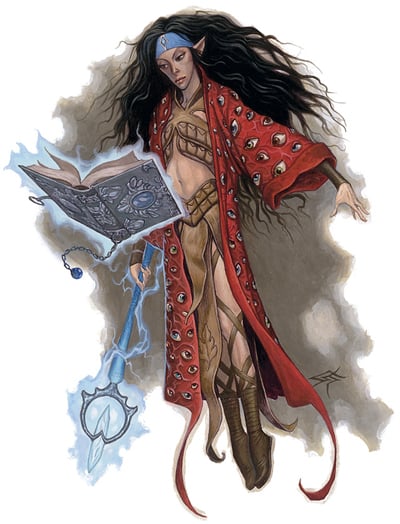
Last but not least, try to stick that landing. While growth and progress and a real life character arc might never be visible because change is incremental over time; change and a character arc in a story gets to be cool and tidy in a little bow that has narrative weight to it.
Truly all you have to do is say something like “before I would never have X, but now, thanks to all I’ve learned, I can Y.” Or find some way to highlight the change in play, and voila, character arc (internal) accomplished.
Happy adventuring!
Don’t Miss:


Source: Bell of Lost Souls