


Running a fight in D&D takes a bit of art and a bit of science. Running an interesting fight in D&D takes a little bit more.
We’ve all had sessions where you roll initiative, and then a combat unfolds, and it ends up dragging. No shade to the DMs, I know that I, personally, have run my share of boring encounters. Sometimes it’s the dice, because neither side can hit; other times it’s the way the fight is structured. Dealing with bad dice is its own article (so look for that later), but while you can’t build for good rolls, you can design an encounter with interest and engagement with the story in mind.
Advance A Narrative

If there is one core secret to making a fight interesting, it’s to layer in a narrative. Note, this does not mean that every fight has to tie in directly to the main plot of your adventure. It can, sure. But having a narrative to the fight means finding the reason for it. Not just “oh it feels like we’ve been playing for a while and nobody’s rolled initiative so…” – that can be the meta-reason for a fight, but in-game, there should be a sense of story.
Even if that story is just “some bullies decided to pick a fight with the adventurers because they didn’t like the way they were looking at them.” That can be a compelling story; it puts focus on the characters, lets them show off, and reinforces the idea that they’re heroes. Other simple fight narratives could be, “someone tries to kidnap someone” or “assassins try to get revenge on a PC.” You can make it broad or narrow. The specifics can (and should) depend on your table, but a fight without a story can only get you so far.
A Variety Of Enemies

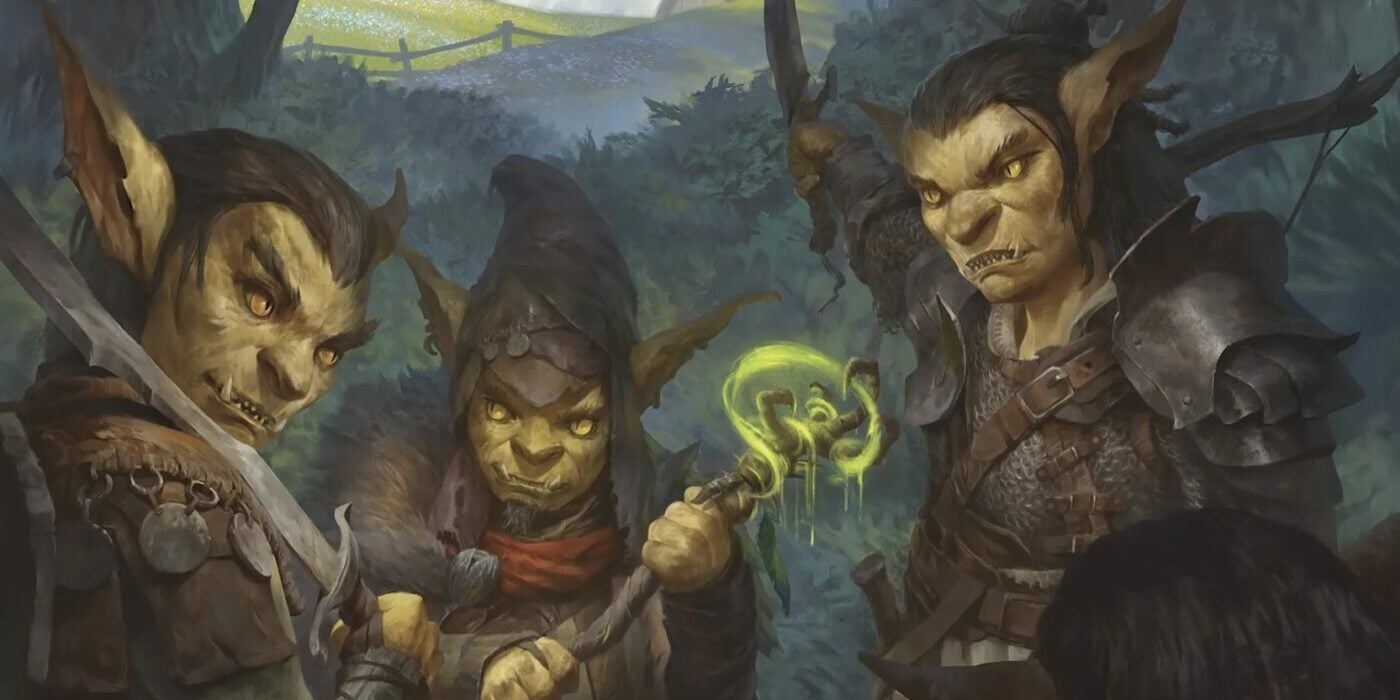
Of course, story isn’t everything. Sometimes a fight can have a cool story and still be boring. A big part of this comes from the fact that there’s only so many times you can fight four goblin archers and two goblin warriors before it starts to feel repetitive. Variety is the spice of life.
It’s also what keeps us intrigued in D&D. We want to see the sheer breadth of encounters. Even if it doesn’t make sense, I guarantee you, a little variety will not break the fiction. Instead, it will invite players to ask, “Well, why was there a gibbering mouther in the necromancer’s hall of skeletons?” Even if the answer is just ‘because otherwise it’s fight yet more skeleton warriors’. Mixing it up with different enemies in the same encounter (or series of encounters) is a great way to build with interest in mind.
And A Mechanical Hook
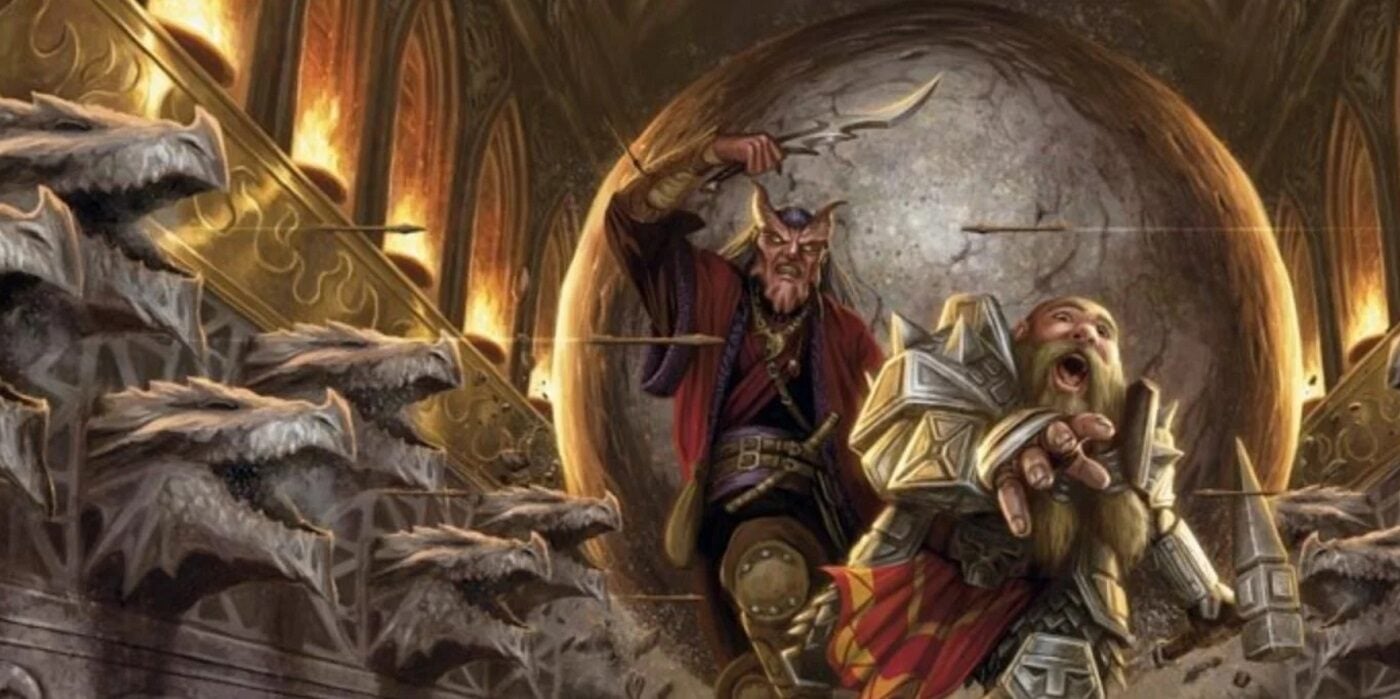
Even better, add an interesting mechanical hook. Why have the fight happen in a featureless plain where there are maybe some trees? I think this is one of the things that takes the most work from a DM ahead of time, and it’s harder to pull off if you’re improvising a fight. But even if you are a “low/no-prep DM,” you can still practice coming up with ideas that might feel fun.
Like a fight on a bridge over lava, where players have to deal with the occasional gout of magma erupting at them. Or fighting on a moving ship in the middle of a storm. Maybe it’s mechanically tied to the monsters; the acolytes generating the magical shield for the archpriest of the forgotten deity have to be taken out before the party can even begin to stop the ritual. Add something besides just monsters, even if it’s just a place to take cover and enemies at range, and you have an interesting hook to start playing with.
Pacing And Changes
Pacing is a huge tool for keeping your fights interesting. Sometimes a fight can be short. Sometimes it needs to be longer. This is one of those “as much art as anything else” type situations, where you have to get a feel for the rhythm of your game. How many fights have you had this session? This adventure?
How are the players looking as they wait their turns? Pacing can step on the gas, so to speak. How do you handle it? You can have fights that seem easy and then get hard, the classic “and then a second wave of monsters shows up,” which can be very fun if motivated by the sounds of combat, or whatever. Or something can change in the fight, to add a time limit: now the volcano is about to erupt, or the dread rite is completed, and now you have to deal with the cambion that’s been summoned.
Show Off Cool Stuff

Finally, show off something cool. Don’t hold back, don’t wait until your players get out of the level 3 tarpit to play with the cool stuff in D&D. You could have a dragon attack (and the players don’t have to slay the dragon) or have high-level magic items appear in a fight. It changes things.
Even if we’re not talking about powerful stuff, just a cool location, like a fight on some floating isles. Or a duel with a rival adventuring party for a glimmering treasure that fell from the heavens. A big part of why we play D&D is for that epic fantasy feel; don’t be afraid you’ll do too much, too fast.
How do you make YOUR fights interesting?
Don’t Miss:


Source: Bell of Lost Souls
