


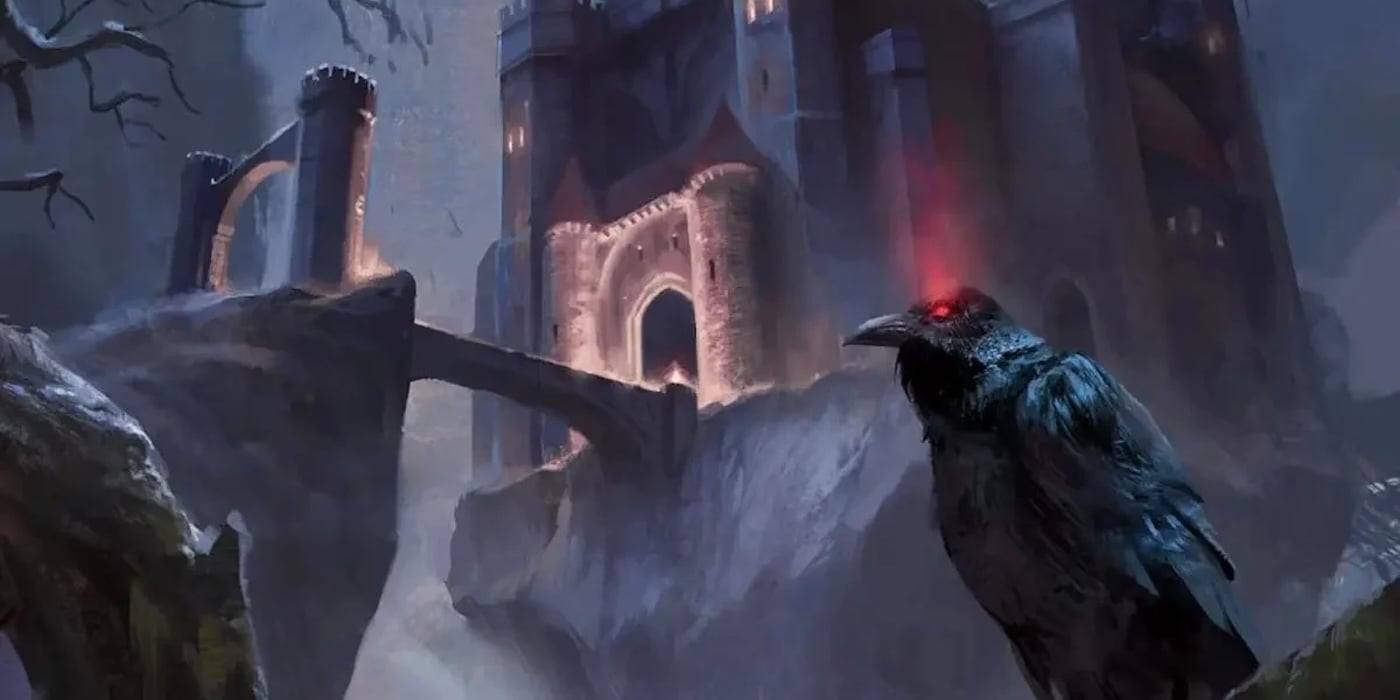
D&D campaigns, especially ones set in Ravenloft, have a brooding villain at the heart of it all. As long as the party doesn’t one-shot them.
Every DM knows the importance of a good villain. They’re often the main driver of events in your world (for better or worse). Or they can be a compelling force pulling the party towards heroism as they oppose the villain. But one thing you’ll find is that frequently, villains don’t make it out of the combat encounters they appear in.
There are a number of reasons for that. Most things that decide to run away do it too late, or can’t escape the often significant ranged attacks the PCs have. Doubly so if you have the kinds of players who go out of their way to finish off enemies to make sure they don’t come back. It’s a lesson players learn in one campaign and carry with them for the rest of their D&D careers. But, even with all that in mind, there are some ways to keep your villains alive for more than a single encounter.
Vibe Coding A Villain
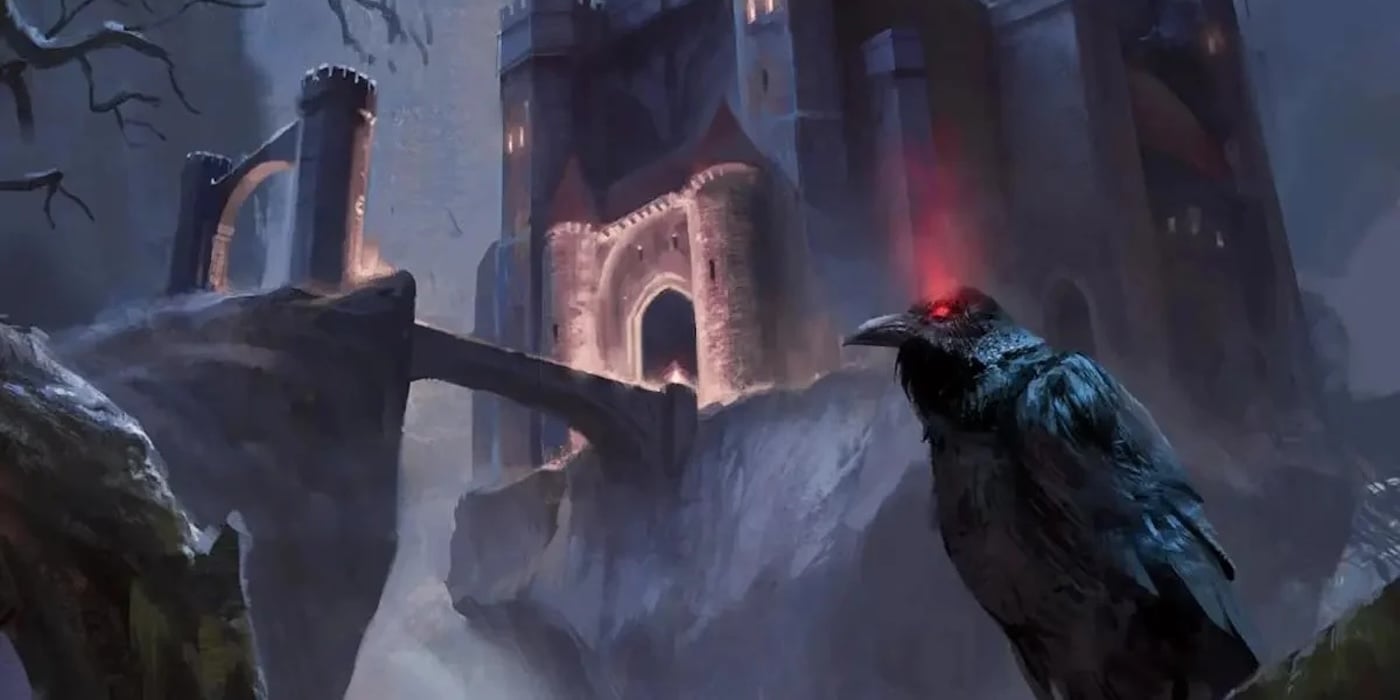
One thing that Ravenloft explores in the upcoming book is the idea of player characters feeling the presence of the villain long before they ever see them. Every dread domain is a realm shaped by the obsession and villainy of its Darklord. Barovia bears the scars of Strahd’s lovelorn yearning and burning jealousy, for instance.
If you know your villain’s deal before the campaign begins, you can start seeding in themes and vibes that match the main reveal. If you’re playing with a hidden ancient evil as a villain, like an Aboleth or a Cthulhu, you start having creepy under the sea reveals earlier. If your villain is known, like a big vampire lord, let the fear of that villain be on the lips of the NPCs that your players come across. Give them a weight and a presence in the world that extends beyond their combat abilities, and you’ll have “encounters” where your villain isn’t even directly involved.
Remote Control
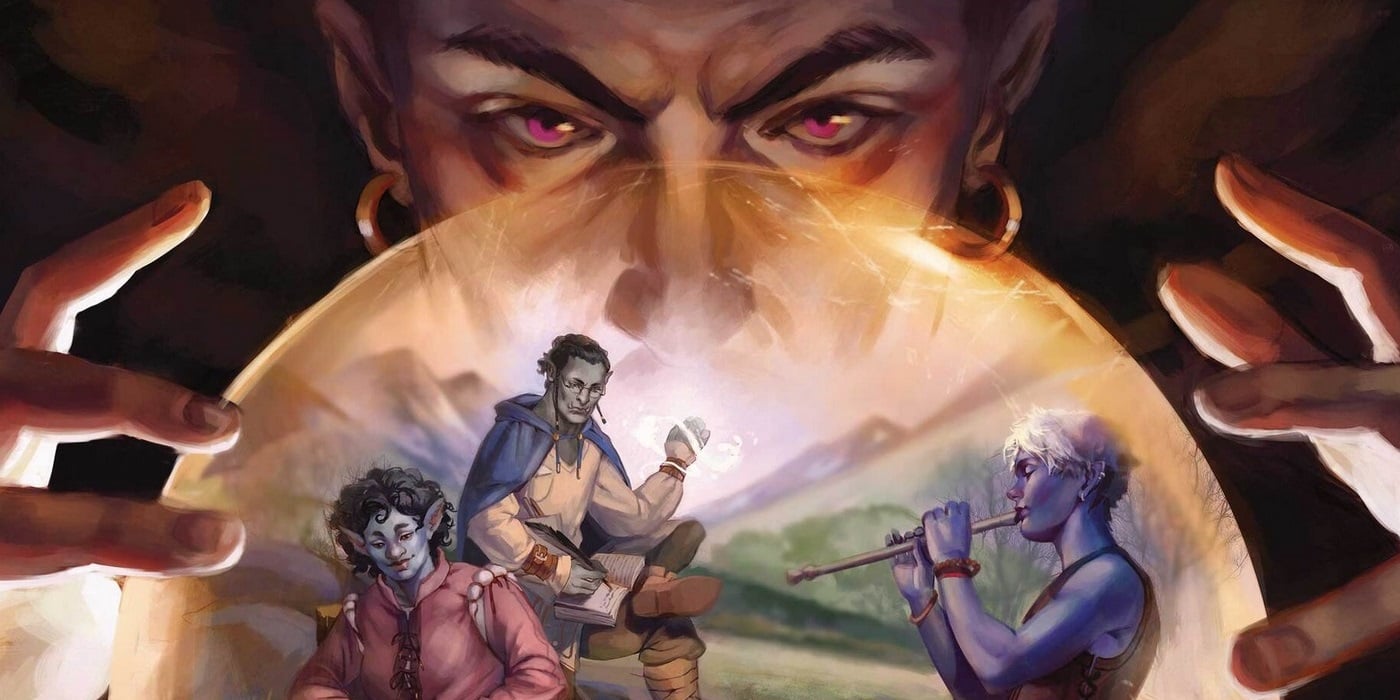
Another option is to just not be there in the first place. After all, they can’t kill you if you’re not there. Usually. So I like to use a villain acting through agents. They might have lackeys and trusted lieutenants and henchmen who give the orders of the villain (and can safely be cut down by a determined party). Or maybe your villain is there on one end of a magic communication device (like holocommunicators in Star Wars).
This can be a great “first meeting” for player characters. They party chases down the villain of their low-level adventure, but in the lead up to or aftermath of the final confrontation, they have a chance, remote encounter with the main villain, who might not even be fully known to them. This way, you start seeding the intrigue before the PCs can even think about rolling initiative against the bad guy.
A Hasty Getaway
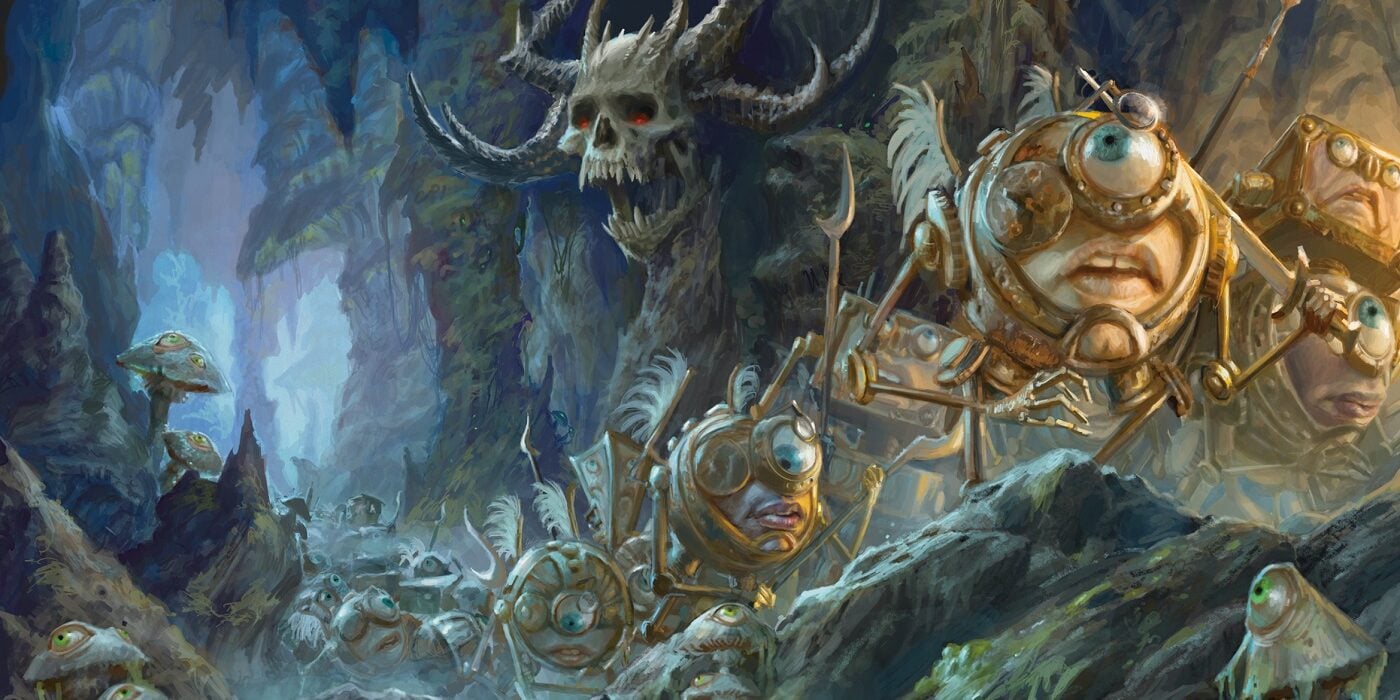
Of course, if you have a smart villain, they might also have arranged for quick escape options. Maybe they can turn into mist, Strahd-style. Or they have a secret airship waiting to pick them up. Could be a portal they dart through that closes behind them.
This kind of move is dramatic, but I would use it sparingly. After all, you don’t want to be constantly frustrated by the villain getting away. A good rule of thumb is to consider that the major antagonist should have only a few direct confrontation moments. And they should all be meaningful somehow. Three combat encounters (total) is a good rule of thumb to go with for any given villain. Every party is different, of course, and you gotta feel out what feels fun and what doesn’t. But start there and see where the game goes.
Backup Plan
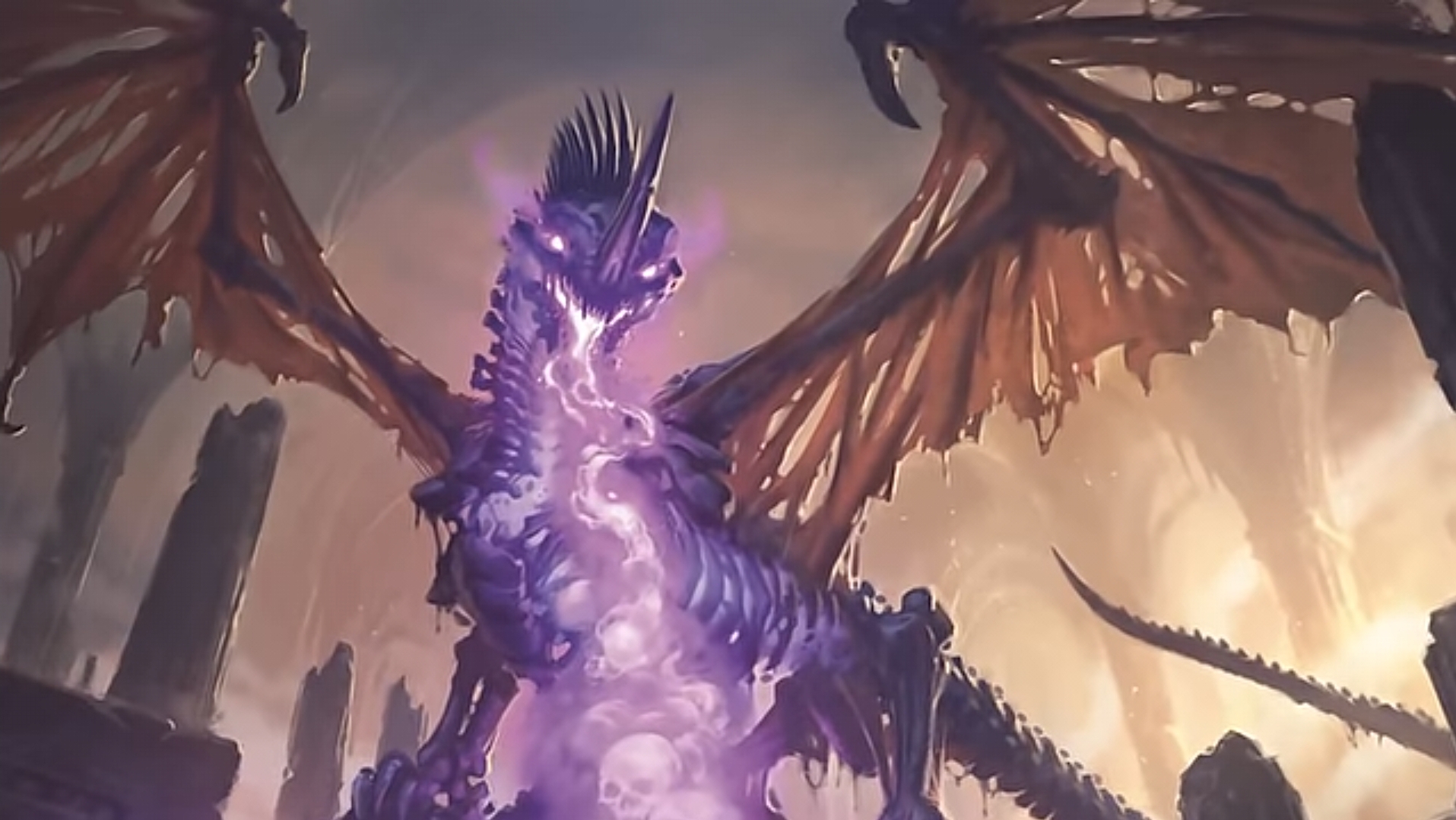
This one’s built into the mechanics of many monsters in 5.5E. Liches, Death Knights, devils, and demons all have different ways of coming back from being dead built in. Devils slain outside of the nine hells just sort of reappear somewhere in their home plane, for instance. Liches have their soul vessels to come back with.
Even humanoid NPCs can rely on things like the Clone spell. Then, of course, dealing with the bad guy means figuring out the way they keep coming back from death. And that too can be an exciting adventure in its own right. This is a great option because sometimes it means that the party can just keep killing the main bad guy (and it can be really funny to do so) until they stop them from coming back.
Legacy
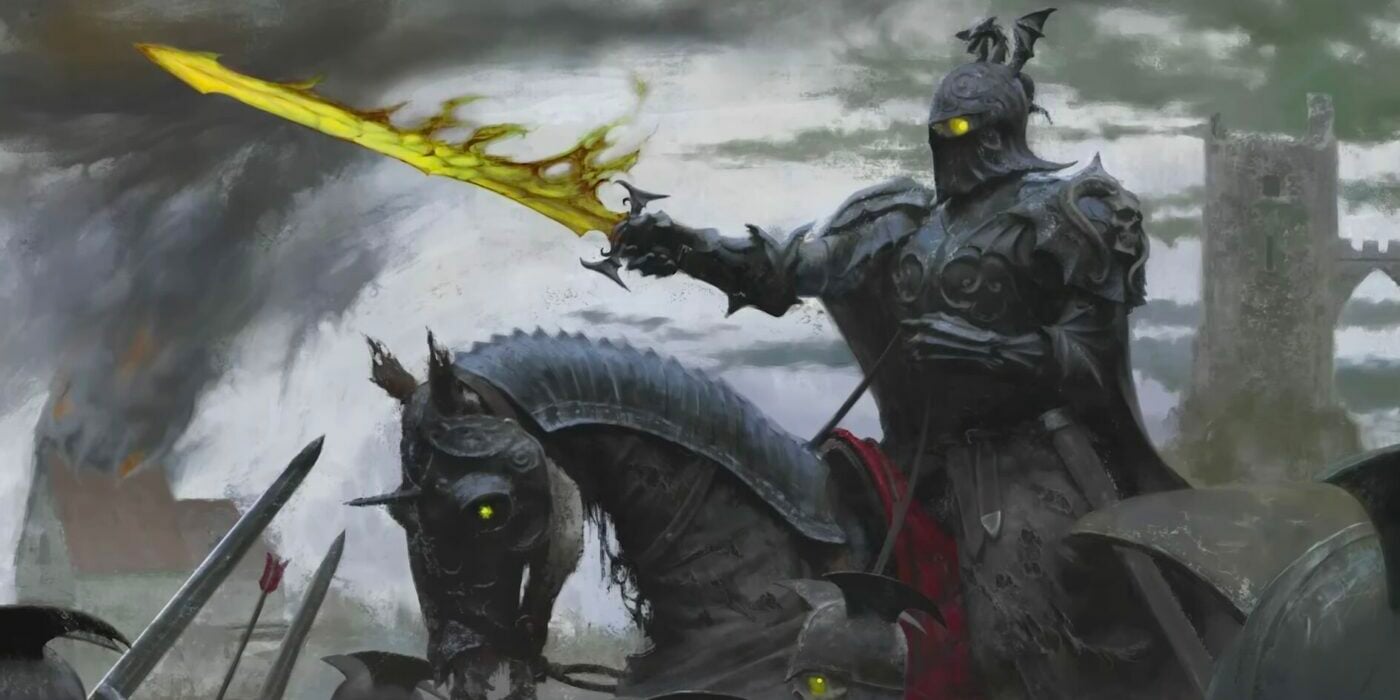
And sometimes, it’s the idea of the villain that carries on. Like an evil Batman, you have to challenge the players because even if they kill the bad guy, the ideas and the legacy they leave behind can be just as villainous. This is great option for DMs and parties that like to get philosophical as well as tactical on the tabletop.
How do you like to keep a villain around?
Don’t Miss:


Source: Bell of Lost Souls

